
Home / ARDA News / Kenya’s regional energy hub ambitions depend on infrastructure and secure supply chains, ARDA Forum Hears | Press release
PRESS RELEASE: Kenya’s Regional Energy Hub Ambitions Depend on Infrastructure and Secure Supply Chains, ARDA Forum Hears.
Kenya has the geographical advantage to become a major regional energy distribution hub, but realising this potential will depend on investment in infrastructure, competitive local production and secure supply chains, industry leaders said at the African Refiners and Distributors Association (ARDA) Storage, Distribution & Jet Fuel Forum 2026.
This was the central message of an address by Samuel Miso, Planning and Supply Manager at TotalEnergies, who highlighted the importance of coordinated policies, investment and secure supply chains in enabling Kenya to fulfil its regional ambitions.
Taking a stronger line, Solomon Osundwa, President of the Petroleum Institute of East Africa (PIEA), had used his opening keynote to spell out the challenges “keeping industry leaders awake”: geopolitical instability, oil price volatility, disrupted shipping routes, regulatory uncertainty, financing constraints and fragmented regional supply chains. He stressed the need to move beyond cost optimisation and prioritise resilience, integrated infrastructure and robust contingency planning.
Recent developments involving the Dangote Group underline the potential for greater integration between refining and distribution. Plans for a 700,000-barrel-per-day refinery and petrochemical complex in Lamu, alongside Dangote’s acquisition of a 25% stake in Kenya Pipeline Company and a proposed US$1.5 billion pipeline investment, signal growing interest in connecting production, storage and distribution to serve regional markets.
However, delegates agreed that strengthening downstream supply chains must extend beyond East Africa to the continent as a whole.
From energy security to energy sovereignty
Recent geopolitical events have reinforced the urgency of this challenge. The 2026 US–Iran conflict demonstrated how disruptions to global supply routes can quickly translate into higher import costs, delayed deliveries and pressure on domestic markets.
According to the Centre for Research on Energy and Clean Air, 32 African countries incurred an estimated US$21.9 billion in additional fossil-fuel import costs between March and August 2026 compared with pre-conflict price expectations. Meanwhile, the Africa Finance Corporation’s 2026 infrastructure report states that no African country meets the International Energy Agency’s 90-day emergency oil-stock requirement, highlighting the need for stronger strategic storage and more resilient distribution systems.
Opening the forum, ARDA Executive Secretary Anibor Kragha called for a fundamental shift in Africa’s energy priorities, declaring: “It’s no longer energy security, it’s energy sovereignty.”
His message was that Africa must move beyond securing fuel supplies towards building the infrastructure and industrial capacity needed to withstand global shocks and exercise greater control over its energy future.
The drive for greater regional connectivity
Sylvester Inkoom, Head of Refineries, Depots & Allied Facilities at Ghana’s National Petroleum Authority (NPA), identified three priorities for future-ready energy systems: integrated infrastructure, the strategic use of regulation and deeper regional connectivity.
Strengthening corridors to neighbouring and landlocked markets will be essential to moving petroleum products efficiently across borders. For Kenya, this means ensuring that investment in storage, depots, pipelines and port facilities is matched by effective distribution networks and regulatory frameworks that facilitate regional trade.
The challenge extends beyond infrastructure itself to the development of viable projects capable of attracting investment.
Tchananti Sahgui Tiatti of the African Petroleum Producers’ Organization (APPO), speaking about the strategic role of energy supply chains in African industrialisation, argued that “Africa does not have a capital problem; it has a prepared-project problem.”
He highlighted the imbalance in Africa’s petroleum sector: approximately 75% of its crude oil is exported, while around 70% of its refined petroleum products are imported.
To help address this, APPO and ARDA are advancing the Africa Refining Model Development Programme, established under a memorandum of understanding signed in Cape Town in April. The initiative aims to support the development of refining projects and move investment opportunities towards implementation.
Keith Couch, Senior Director, Business Development & Integrated Projects, Honeywell UOP, reinforced the investment case, saying: “Energy security is driving both an investment need and opportunity for Africa.” Capturing that opportunity requires integrated supply chains connecting refining with storage, transportation and distribution, supported by investment-ready projects and regional cooperation.
Responding to the growth in air transport
Day two of the forum focused on jet fuel, with ARDA Vice President Evans Mauta encouraging delegates to share practical experience, identify gaps and develop workable solutions.
Ashington Makau, Head of Aviation – Africa at Puma Energy, highlighted the scale of the opportunity, noting that jet fuel demand is projected to rise by 65% by 2050. This anticipated growth reinforces the need for reliable supply chains, adequate storage capacity and robust distribution systems to support the expansion of air travel across Africa.
Discussions also covered product quality, Sustainable Aviation Fuels (SAF) and the operational standards needed to ensure safe, reliable fuel supply.
An interactive training session on international jet-fuel standards, organised by Pascal Manuelli of TotalEnergies, brought together expertise from the Joint Inspection Group (JIG), the Energy Institute (EI) and TotalEnergies. The session enabled delegates to deepen their understanding of industry standards and exchange practical knowledge relevant to aviation-fuel operations.
Lubricants and Bitumen: powering Africa’s industrial growth
The final day focused on specialised products, with Maged El Kordy, Chairman and CEO of Alexandria Mineral Oils Company (AMOC), highlighting the importance of lubricants, while Société Multinationale de Bitumes panellists Paterne Gbakoui, Head of Development and Innovation Projects, and Sékou Traoré, Director of Trading and Economic Management, explored the strategic role of bitumen in Africa’s infrastructure growth.
As industrialisation and infrastructure investment accelerate, lubricants are essential to keeping industries, vehicles and machinery operating efficiently, while bitumen is vital to building the roads that connect markets and communities. Discussions highlighted the need for greater investment in local production, blending, storage and distribution, alongside harmonised standards and supportive policies. Strengthening these sectors can help reduce import dependence, create jobs, boost regional trade and improve security of supply.
ARDA: Building Partnerships to Power Africa’s Energy Future
Collaboration was a consistent theme throughout the forum, reflecting ARDA’s mission to address the economic, environmental and social issues affecting the petroleum sector while promoting the exchange of positive experiences and industry best practice.
Maritza Leitão da Rocha of Sonangol Distribuição e Comercialização captured this spirit with an African proverb: “If we want to go fast we go alone. If we want to go far we go together.”
The forum provided a platform for industry stakeholders to exchange expertise, strengthen relationships and explore practical solutions to shared challenges across Africa’s downstream sector.
Closing the event, Kragha reminded delegates of their vital contribution to the continent’s economic development: “You drive the economic activities of Africans. You fuel the future.”
The message was clear: Africa’s energy sovereignty depends not only on its natural resources, but on its ability to prepare viable projects, mobilise investment and build the infrastructure and partnerships needed to deliver energy reliably to its people.
About ARDA
The African Refiners & Distributors Association (ARDA) is a leading non-profit organisation dedicated to advancing the sustainable development of Africa’s energy sector. The mission of our community is to promote collaboration among industry stakeholders, foster innovation, and drive investment to address Africa’s energy challenges. Through its work, ARDA aims to help unlock the continent’s energy potential, reduce energy poverty, and support Africa’s economic growth.
For all press enquiries, please contact: media@afrra.org
Version française de ce communiqué de presse : CLICK HERE
See all articles and social media on the ARDA News page. Voir tous les articles et posts sociaux sur la page ARDA News.
Featured post
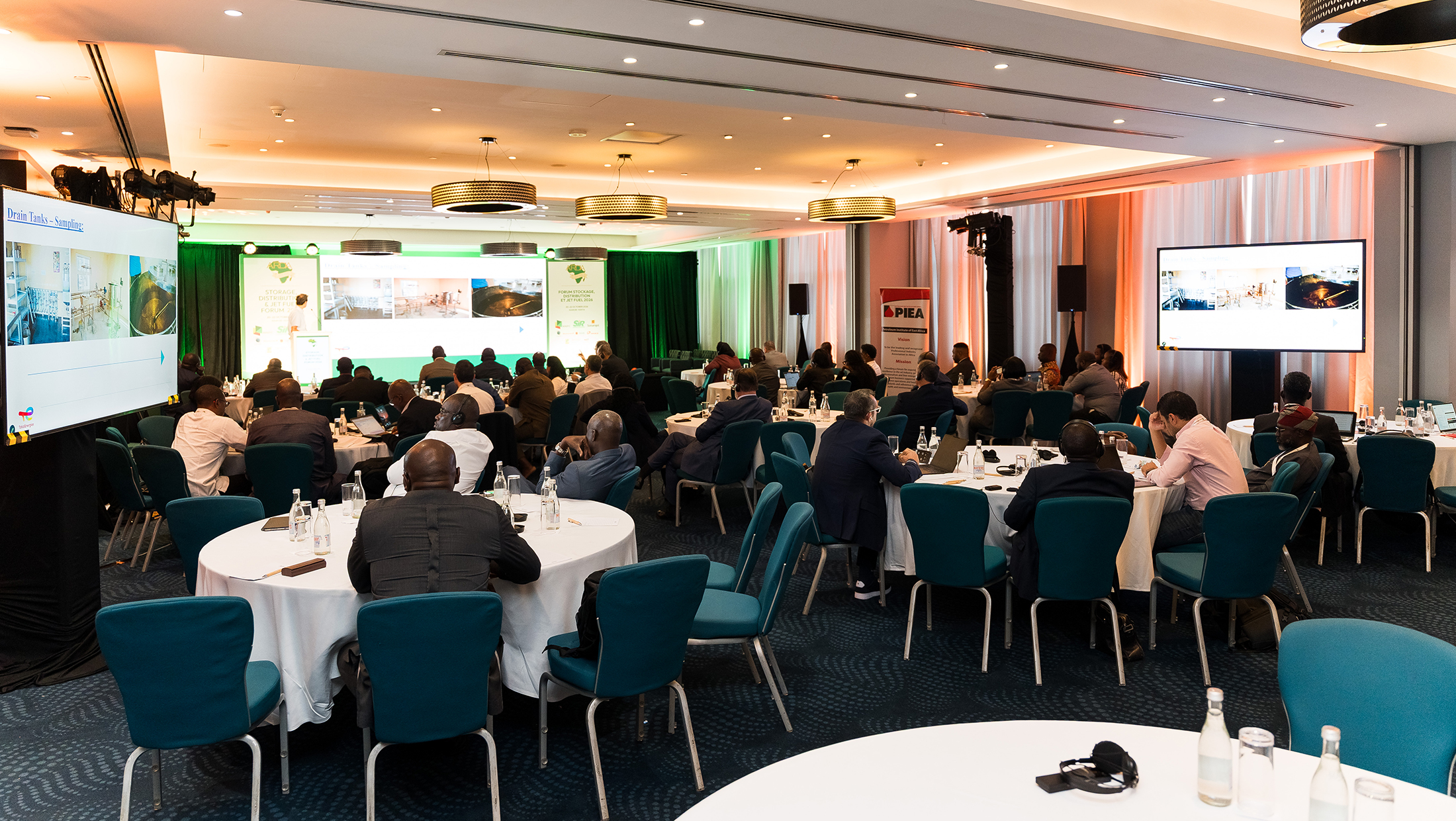
Kenya’s regional energy hub ambitions depend on infrastructure and secure supply chains, ARDA Forum Hears | Press release
PRESS RELEASE: ARDA Storage, Distribution & Jet Fuel Forum 2026 highlights the investment and regional cooperation needed to turn Africa’s energy resources into energy sovereignty.
Recent posts
Latest posts
Kenya’s regional energy hub ambitions depend on infrastructure and secure supply chains, ARDA Forum Hears | Press release
PRESS RELEASE: ARDA Storage, Distribution & Jet Fuel Forum 2026 highlights the investment and regional cooperation needed to turn Africa’s energy resources into energy sovereignty.
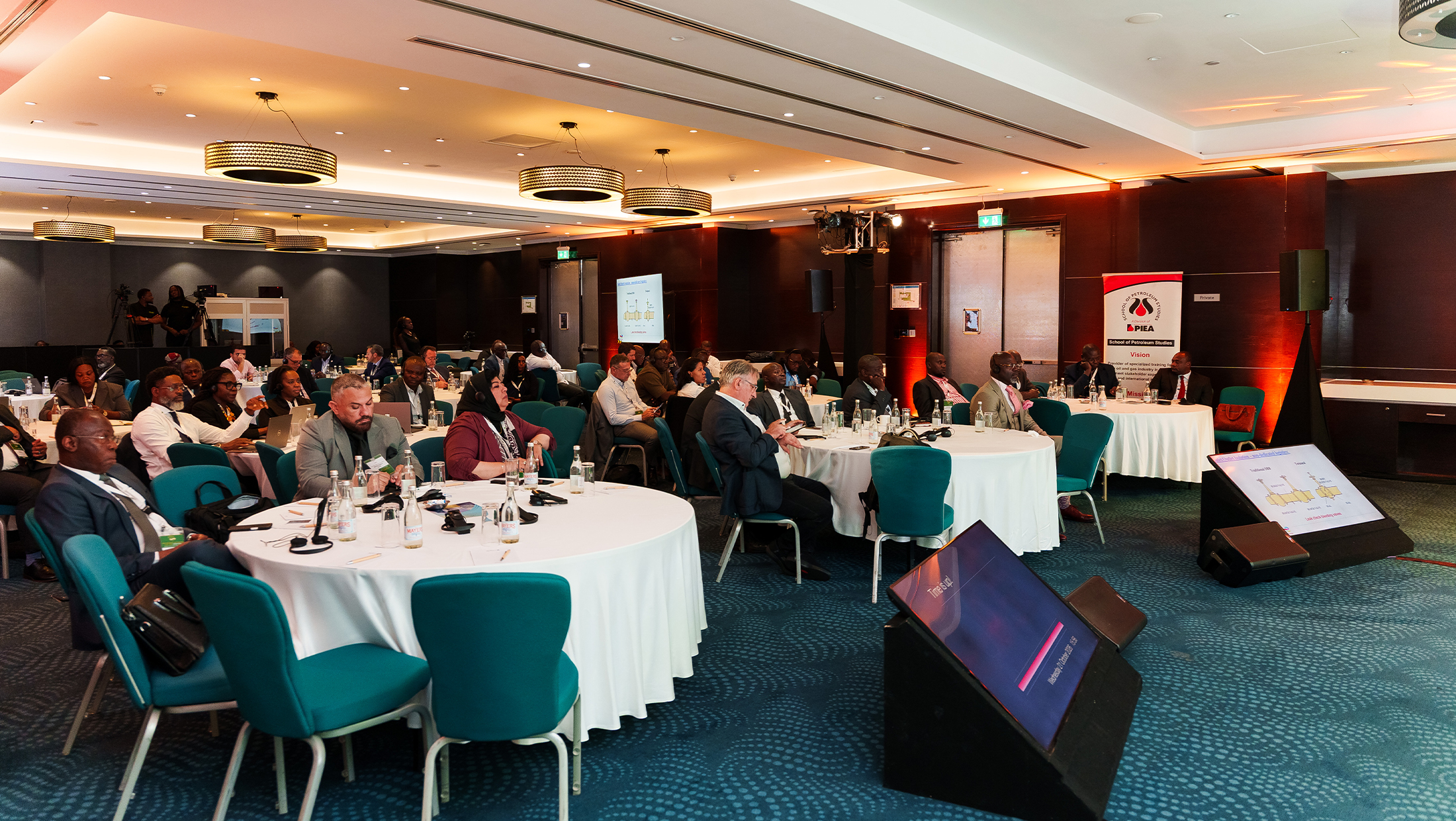
Kenya : les infrastructures et la sécurité des approvisionnements au cœur de ses ambitions énergétiques régionales
COMMUNIQUÉ DE PRESSE : Le Forum 2026 de l’ARDA sur le Stockage, la Distribution et le Jet Fuel met en lumière les investissements et la coopération régionale nécessaires pour transformer les ressources énergétiques de l’Afrique en souveraineté énergétique.
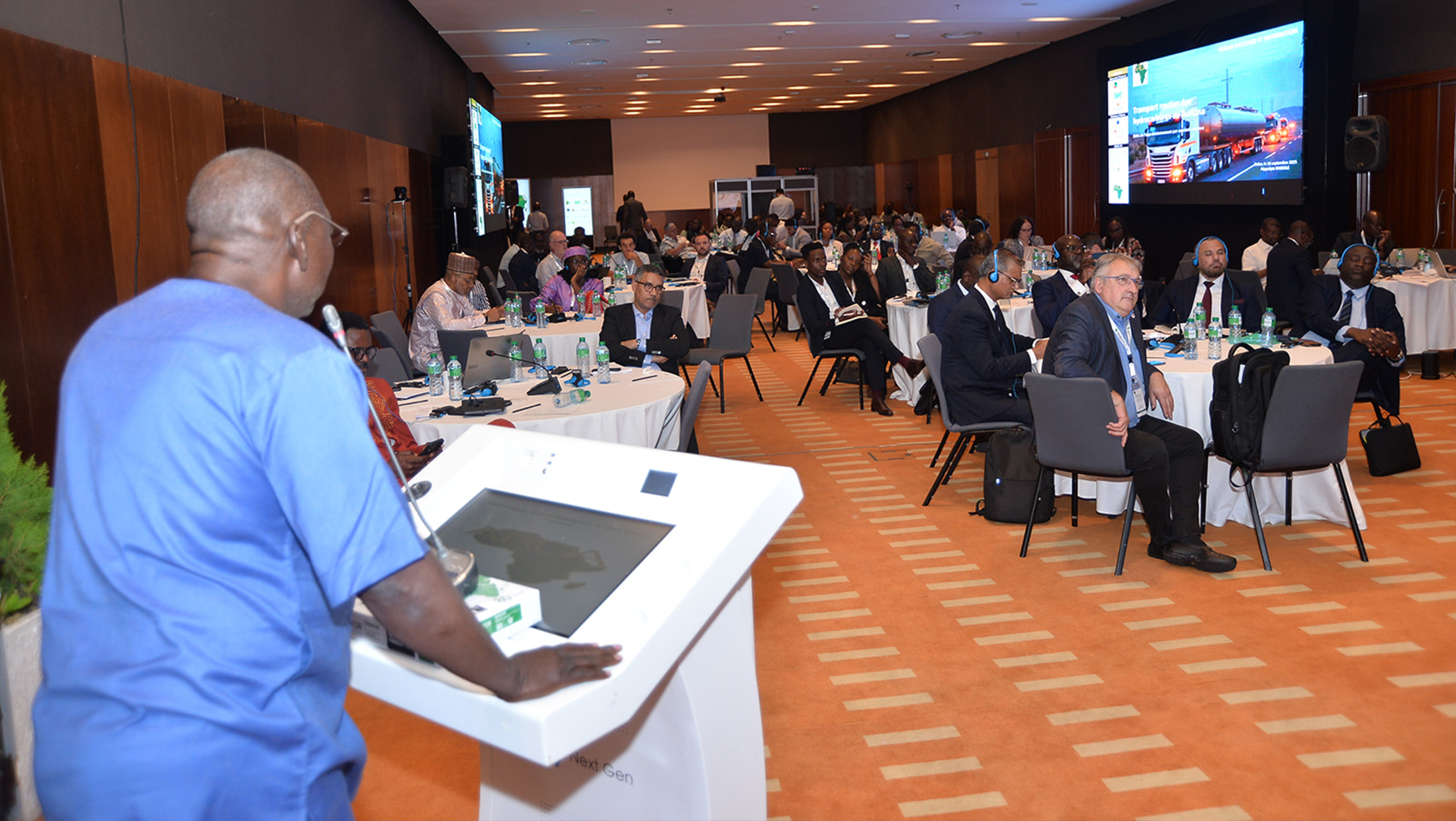
Storage, Distribution & Jet Fuel Forum 2026 | Press release
PRESS RELEASE: ARDA to bring Africa’s downstream energy leaders together in Nairobi as East Africa enters a new phase of energy infrastructure development